Medical disclaimer: This article is for informational purposes only and is not a substitute for professional medical advice. Consult a qualified healthcare provider before changing your sleep routine or if you suspect a sleep disorder.
Do you struggle to fall asleep or wake up feeling unrested? Creating a distraction-free sleep environment is key. This blog post will guide you through setting up an ideal bedtime routine and optimizing your sleep space for deep, restorative slumber.
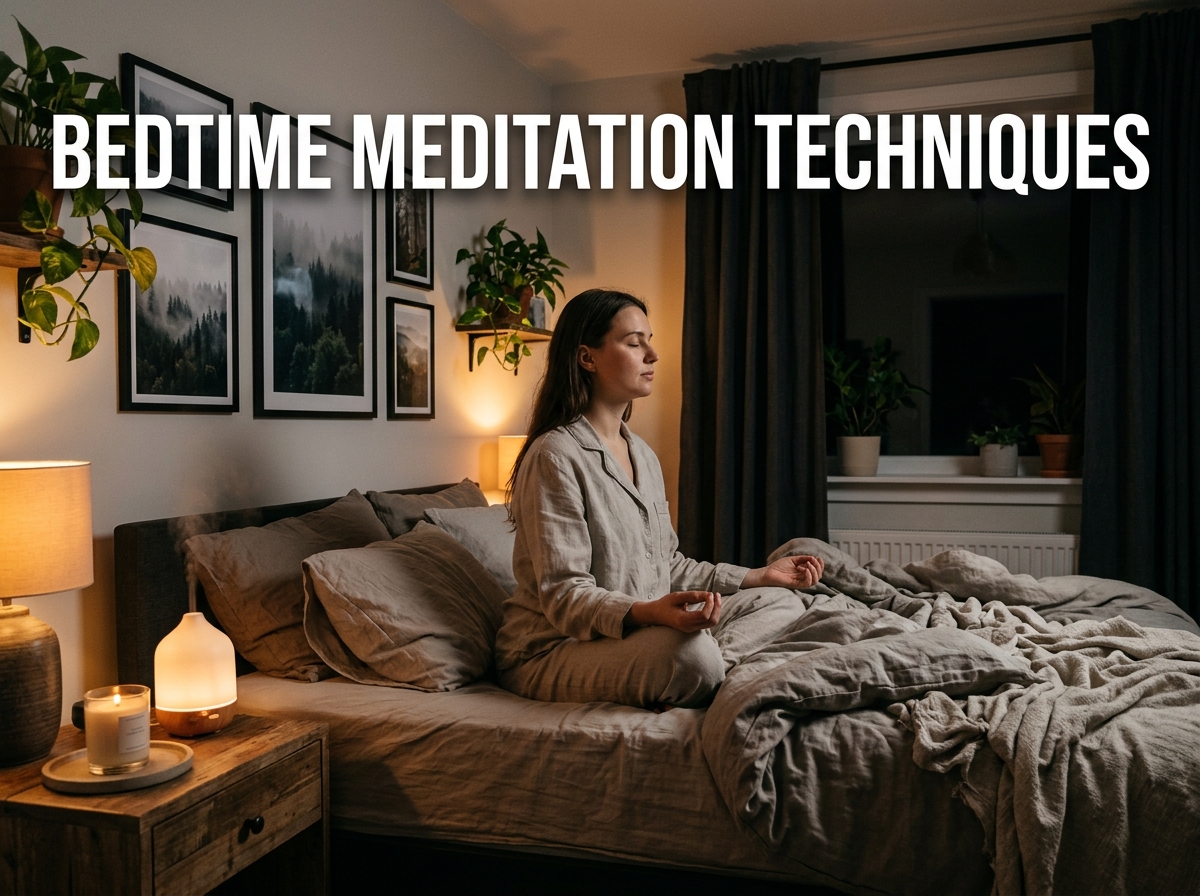
The image shows a serene bedroom with minimal distractions, perfect for achieving deep sleep.
Creating the Perfect Sleep Environment
Avoid bright lights and electronic devices in your bedroom.
Keep the room at a comfortable temperature, around 65-70°F (18-21°C).
Invest in high-quality bedding that supports good posture.
Use soft lighting and consider curtains to block out external light.
Establishing a Bedtime Routine
A consistent bedtime routine helps your body prepare for sleep. Examples include:
Having a relaxing pre-sleep ritual, like reading or meditation.
Avoiding caffeine and heavy meals close to bedtime.
Scheduling regular times for bed and wake-up throughout the week.
Optimizing Your Bedroom Setup
Your bedroom should be a sanctuary designed for rest. Here are some tips:
Select calming colors and patterns that promote relaxation.
Arrange furniture to minimize physical barriers between you and your bed.
Consider noise-cancelling headphones or white noise machines if external sounds disrupt sleep.
📚 Explore the Complete Guide
For a comprehensive overview of this topic, see our Sleep Environment & Bedroom Setup hub page — it covers everything you need to know about sleep environment.
Final Thoughts
To sum up, creating a distraction-free sleep environment is crucial for achieving deep restorative sleep. Implement these tips into your daily routine and see the difference in how you feel when you wake up each morning!
Medical disclaimer: This article is for informational purposes only and is not a substitute for professional medical advice. Consult a qualified healthcare provider before changing your sleep routine or if you suspect a sleep disorder.
Getting the best sleep can seem like an elusive goal. But what if we told you there's a simple addition to your bedtime routine that might just help you fall into deep, restful sleep? Introducing room mist - a gentle spray designed to soothe and relax. Let's explore how incorporating this element into your nighttime ritual can significantly enhance your quality of sleep.
How Room Mist Enhances Deep Sleep
Calms the Mind: The subtle fragrance and mist create a calming environment, helping to reduce stress and anxiety that can interfere with sleep.
Soothes the Skin: Many room mists contain ingredients like lavender or eucalyptus, which are known for their relaxing properties. Applying these directly to your skin through misting can help promote deeper relaxation.
Aids Circadian Rhythm: By creating a consistent and soothing ambiance with room mist, you're helping align your body's internal clock (circadian rhythm) with sleep patterns, leading to more restful nights.
Setting Up Your Deep Sleep Room Mist Routine
To truly reap the benefits of room mist for deep sleep:
Choose the Right Mists: Opt for products that feature ingredients known to improve sleep, such as essential oils like lavender or chamomile.
Determine Your Spraying Frequency: Spray the mist before bedtime and again if you wake up in the middle of the night. The goal is to maintain a calming atmosphere throughout your sleep cycle.
Create a Serene Sleep Environment: Pair room mist with other elements like soft lighting, aromatherapy candles, or comfortable bedding to amplify its soothing effects on your body and mind.
Natural Sleep Tips for Optimal Rest
Establish a Bedtime Routine: Consistency is key. End each evening with activities that signal it's time to wind down, such as reading or listening to soft music.
Avoid Electronics in the Bedroom: The blue light from screens can disrupt your sleep cycle, so set boundaries before bed.
Optimize Your Sleep Space: Invest in high-quality bedding and maintain a cool, dark, quiet environment for optimal sleep quality.
📚 Explore the Complete Guide
For a comprehensive overview of this topic, see our Sleep Tools & Products hub page — it covers everything you need to know about sleep products.
Final Thoughts
To conclude, incorporating room mist into your bedtime routine can be a simple yet effective way to enhance the quality of your rest. Remember, creating a tranquil atmosphere is just one part of improving your sleep hygiene - combining it with other natural sleep tips will help you achieve those deep, restorative nights.
Medical disclaimer: This article is for informational purposes only and is not a substitute for professional medical advice. Consult a qualified healthcare provider before changing your sleep routine or if you suspect a sleep disorder.
Getting a good night's sleep is crucial for your overall well-being. However, finding peace and quiet in today's noisy world can be challenging. This is where white noise comes into play.
In this guide, we'll explore how using white noise can help you achieve restful sleep and optimize your bedroom environment to ensure quality shut-eye every night.
What is White Noise?
White noise is a sound that contains equal energy across all frequencies, creating a masking effect for other sounds in the background.
This helps block out distracting noises and makes it easier to fall asleep or stay asleep.
The Benefits of White Noise
Reduces distractions: White noise can mask disruptive sounds like traffic, neighbors, or household appliances.
Aids in relaxation: The consistent sound of white noise can be soothing and help relax the mind.
Improves sleep quality:
How to Set Up White Noise for Restful Sleep
Choose a high-quality white noise machine or app that offers customizable settings like volume and tone.
Place the white noise source near your bed but not too close so as not to disturb you during sleep.
Experiment with different frequencies until you find one that works best for you. Some people prefer softer tones, while others prefer more intense sounds.
Tips for a Sleep-Friendly Bedroom
Keep the room dark: Darkness signals to your brain it’s time to sleep and helps regulate melatonin production.
Maintain a cool temperature:
📚 Explore the Complete Guide
For a comprehensive overview of this topic, see our Sleep Environment & Bedroom Setup hub page — it covers everything you need to know about sleep environment.
Final Thoughts
To sum up, white noise is an effective tool in the fight against disrupted sleep. By using quality white noise machines or apps and creating a conducive bedroom environment, you can enhance your sleep hygiene and enjoy those deep, restorative zzz's.
Medical disclaimer: This article is for informational purposes only and is not a substitute for professional medical advice. Consult a qualified healthcare provider before changing your sleep routine or if you suspect a sleep disorder.
Does your bedroom feel more like a stress zone than a sanctuary? Transform it into the perfect place for deep sleep by incorporating these expert tips on creating a restorative sleeping environment.
Starting with our featured velvet chair, complete with a lumbar pillow, this setup will not only elevate your aesthetic but also enhance your comfort and overall well-being during bedtime.
Sleep Hygiene Essentials
Opt for a comfortable bed that suits your sleep preferences (e.g., firmness, mattress type).
The room should be dark to minimize light intrusion and allow for better melatonin production.
Prioritize a cool bedroom temperature between 60-70°F (15.6-21.1°C) as it promotes deep sleep.
Bedroom Layout
Your bedroom should be free from clutter, promoting peace of mind before bed and during the night. Arrange your furniture to avoid obstructing natural light or creating shadows that could interfere with your rest.
Position lamps on both sides of your bed for even lighting without harsh glare.
Natural Sleep Tips
Educate yourself about the circadian rhythm and its role in sleep regulation. Aim to get natural light exposure during daytime hours, which helps regulate your body’s internal clock.
Establish a consistent bedtime routine that includes relaxation practices like deep breathing or meditation.
Avoid electronics right before bed due to blue light interference with melatonin production and sleep quality.
Tips for the Perfect Pillow
The perfect pillow is key in achieving deep, restorative sleep. Choose one that supports your neck and head angle without being too rigid or soft.
For lumbar support, add a plush velvet cushion like our featured item to enhance spinal alignment during rest.
📚 Explore the Complete Guide
For a comprehensive overview of this topic, see our Sleep Environment & Bedroom Setup hub page — it covers everything you need to know about sleep environment.
Final Thoughts
To truly transform your bedroom into an oasis of deep sleep, follow these practical tips and focus on creating a serene, comfortable environment. Don’t forget to check out related topics for more insights on improving your bedtime routine and enhancing your overall sleep quality.
Medical disclaimer: This article is for informational purposes only and is not a substitute for professional medical advice. Consult a qualified healthcare provider before changing your sleep routine or if you suspect a sleep disorder.
Does your bedroom feel like a sanctuary for rest? Or is it a space that leaves you feeling more tired than when you started the night?
In this blog post, we'll explore how to transform your sleep space into an oasis of tranquility and deep restorative sleep.
How to Create the Perfect Sleep Environment
Start with a comfortable mattress and pillows that suit your needs.
Choose soft, breathable bedding that allows you to regulate body temperature during sleep.
Avoid clutter by keeping bedside tables minimal and only include essentials like a lamp, clock, and reading material for comfort.
The Right Lighting
Opt for soft, warm lighting during the evening to signal your body that it's time to wind down. Avoid bright screens or harsh lights before bedtime as they can disrupt your natural circadian rhythm.
Minimize Distractions
Eliminate noise by using white noise machines, earplugs, or heavy curtains if necessary.
Create a quiet environment free of distractions like phones and TV screens in your bedroom.
Invest in blackout curtains to block out light from windows for undisturbed sleep.
Set the Perfect Temperature
A comfortable room temperature is key. Most people find that a bedroom set between 60-70 degrees Fahrenheit (15-21°C) is ideal for sleep.
Use a thermostat or fan to maintain this temperature throughout the night.
📚 Explore the Complete Guide
For a comprehensive overview of this topic, see our Sleep Environment & Bedroom Setup hub page — it covers everything you need to know about sleep environment.
Final Thoughts
Remember, transforming your sleep space into an environment conducive to deep restorative sleep takes time and effort. Start by implementing one tip at a time until you find what works for you.
Medical disclaimer: This article is for informational purposes only and is not a substitute for professional medical advice. Consult a qualified healthcare provider before changing your sleep routine or if you suspect a sleep disorder.
Does your morning alarm clock feel like an unwanted intruder in your peaceful slumber? Are you waking up tired despite hitting snooze multiple times? It might be time to sync up with the natural cycle that governs our bodies.
Our circadian rhythm, also known as the body's internal clock, plays a crucial role in regulating sleep-wake cycles. By understanding and optimizing this rhythm, we can enhance not only the quality of our rest but also improve our overall health and well-being.
Why Syncing Up Your Circadian Rhythm Matters
Increases deep sleep stages: By aligning your body's internal clock with the natural light cycle, you can achieve deeper and more restorative sleep.
Boosts mood and energy levels: A well-synced circadian rhythm supports better daytime alertness and emotional stability.
Improves immune function: A healthy sleep pattern helps your body fight off infections and diseases.
How to Sync Your Circadian Rhythm
To start syncing up, it's essential to create a consistent routine. Aim for the same bedtime every night (even on weekends) to establish regularity in your sleep-wake cycle.
Evening Wind Down: Engage in calming activities like reading or gentle yoga an hour before bed to signal to your body that it's time to wind down.
Optimal Sleep Environment: Ensure your bedroom is dark, quiet, and at a comfortable temperature. Invest in high-quality bedding for ultimate comfort.
Cut Back on Blue Light: Reduce exposure to screens an hour before sleep as the blue light emitted can disrupt your body's natural rhythm.
Understanding Sleep Stages
Deep sleep, also known as slow-wave or delta sleep, is a crucial stage for restorative sleep. During this phase, the brain processes and consolidates memories while enhancing immune system function.
Start by identifying your ideal bedtime: If you wake up around 6 AM naturally, aim to go to bed at 10 PM.
Aim for a minimum of seven hours: Despite personal preferences, experts recommend aiming for seven to nine hours per night to achieve restorative sleep.
Monitoring and Adjusting
To ensure your circadian rhythm is in sync, tracking your sleep patterns can be very helpful. Consider using apps or devices that monitor sleep quality, including the duration of each sleep stage.
Analyze your logs: Regularly review these to identify patterns and make necessary adjustments to your routine.
Experiment with changes: If you notice any disruptions in your sleep cycle, try adjusting your bedtime or evening wind-down activities accordingly.
📚 Explore the Complete Guide
For a comprehensive overview of this topic, see our Sleep Science & Recovery hub page — it covers everything you need to know about sleep science.
Final Thoughts
By understanding the importance of circadian rhythms and implementing these strategies into your daily routine, you can unlock deeper levels of restorative sleep. Remember, consistency is key! Embrace this natural cycle to live more energetically throughout the day.
Medical disclaimer: This article is for informational purposes only and is not a substitute for professional medical advice. Consult a qualified healthcare provider before changing your sleep routine or if you suspect a sleep disorder.
Spring is here! As the days get longer and temperatures rise, it's easy to neglect our sleep routines. But achieving deep, restorative sleep this spring can set you up for a more productive summer ahead.
This guide will help you transform your sleep environment into a sanctuary of deep slumber, using tips from sleep science experts and practical strategies that work year-round.
Bedroom Setup for Deep Sleep
Create a cool, quiet bedroom by reducing light exposure through curtains or blinds during the day.
Invest in comfortable bedding with supportive pillows to ensure your spine is aligned when sleeping on your side or back.
Bedtime Routine for Better Sleep
A consistent bedtime routine can signal to your body that it's time to wind down. Try incorporating activities like reading a book, taking a warm bath, or practicing gentle stretching.
Limit screen time at least an hour before bed.
Natural Sleep Tips for Spring
Nature can be your ally in achieving deep sleep. Try waking up with the sun and exposing yourself to daylight as much as possible, which can help regulate your circadian rhythm.
Open windows or curtains during the day to let in natural light.
Sleep Hygiene: The Key to Quality Rest
Ensuring that you're getting enough sleep and maintaining a regular schedule can help your body adapt to spring's longer days. Aim for 7-9 hours of sleep per night.
Avoid heavy meals, alcohol, or caffeine before bed.
📚 Explore the Complete Guide
For a comprehensive overview of this topic, see our Sleep Science & Recovery hub page — it covers everything you need to know about sleep science.
Final Thoughts
Spring is the perfect time to invest in a better night's rest! By making small changes to your sleep environment and bedtime routine, you can achieve deep, restorative sleep that will carry into summer. For more tips on enhancing your sleep quality, check out our related articles.
Medical disclaimer: This article is for informational purposes only and is not a substitute for professional medical advice. Consult a qualified healthcare provider before changing your sleep routine or if you suspect a sleep disorder.
Getting enough quality sleep is essential for your overall health and well-being. In today's fast-paced world, finding ways to enhance your sleep can seem like an impossible task.
This blog post will delve into the importance of achieving deep sleep and share practical tips to help you optimize your sleep environment and improve your restorative sleep.
Understanding Deep Sleep
Deep sleep is a crucial part of the sleep cycle that helps restore energy, repair tissues, and strengthen the immune system.
It plays an essential role in memory consolidation, learning, and emotional regulation.
Creating the Perfect Sleep Environment
Start by selecting a comfortable mattress that supports your body's natural curve.
A soft and supportive pillow can significantly enhance your sleep quality, ensuring you wake up feeling refreshed rather than tired.
Minimize noise in the bedroom to promote a calm and restful environment for deep sleep.
Use curtains or blinds to block out light during nighttime hours.
Aim for an ideal room temperature of around 65-70 degrees Fahrenheit, as this is conducive to falling asleep quickly and staying in a deep sleep state throughout the night.
Establishing a Bedtime Routine
Create a calming pre-sleep routine that includes relaxing activities such as reading, meditating, or listening to soothing music.
Avoid stimulating activities like watching TV or using your phone right before bed.
Natural Sleep Tips
Ensure you're getting enough exposure to natural light during the day, as sunlight helps regulate your body's internal clock.
Eat a balanced diet and limit caffeine intake in the evening.
Avoid large meals close to bedtime; opt for lighter snacks instead.
📚 Explore the Complete Guide
For a comprehensive overview of this topic, see our Sleep Science & Recovery hub page — it covers everything you need to know about sleep science.
Final Thoughts
By focusing on creating an optimal sleep environment, establishing a bedtime routine, and incorporating natural sleep tips into your daily life, you can significantly improve the quality of your deep restorative sleep. Sleep is not just about how long you sleep but also about the quality and the deep levels you achieve during those hours.
Medical disclaimer: This article is for informational purposes only and is not a substitute for professional medical advice. Consult a qualified healthcare provider before changing your sleep routine or if you suspect a sleep disorder.
Are you tired of tossing and turning at night? Do you feel like your body is never truly rested despite hours spent in bed?
The key to restful sleep lies not just in the number of hours slept but also in the quality of that sleep. This post will guide you through tips for resetting your circadian rhythm, ensuring you wake up feeling refreshed and energized.
Understanding Circadian Rhythm
Circadian rhythms are the natural bodily cycles that regulate sleep-wake patterns.
The average adult needs about 7-9 hours of sleep per night to function optimally, but this can vary based on individual needs and circadian rhythm alignment with your environment.
Optimizing Your Bedroom for Deep Sleep
Create a cool sleep environment (65-70°F is ideal).
Avoid screens 1-2 hours before bed as the blue light disrupts melatonin production.
Invest in comfortable bedding and pillows that support your unique body shape to ensure you can rest well each night.
Better Bedtime Rituals for Restful Sleep
Create a calming bedtime routine like taking a warm bath or reading a book instead of using electronics.
Establish a consistent sleep schedule by going to bed and waking up at the same time every day, even on weekends.
Natural Sleep Enhancers
Eating foods rich in tryptophan like turkey can help your body produce more serotonin, which is converted into melatonin and improves sleep quality. Also consider herbal teas or supplements that are known to promote relaxation.
📚 Explore the Complete Guide
For a comprehensive overview of this topic, see our Sleep Science & Recovery hub page — it covers everything you need to know about sleep science.
Final Thoughts
Remember, improving the quality of your rest isn't just about increasing the number of hours you spend in bed; it's also about ensuring those hours are spent productively for your body. By resetting your circadian rhythm through these practical steps and maintaining a consistent bedtime routine, you can look forward to waking up feeling refreshed each morning.
Medical disclaimer: This article is for informational purposes only and is not a substitute for professional medical advice. Consult a qualified healthcare provider before changing your sleep routine or if you suspect a sleep disorder.
Are you tired of restless nights and waking up feeling more stressed than when you went to bed? One key element that can significantly impact the quality of your sleep is having the right furniture, particularly an ergonomic mattress. In this guide, we'll explore how choosing the perfect mattress and bedding can help you achieve deep restorative sleep.
Imagine finally sleeping soundly through the night, waking up feeling refreshed, and improving both your physical health and mental well-being in the process. It's all about creating a comfortable space that supports your body while you catch some ZZZs.
Ergonomic Mattress Basics
A good mattress should support your spine and keep your body in its natural alignment during sleep.
Look for a mattress with medium-firmness, which provides adequate support without being too soft or too hard.
Consider the materials used to construct the mattress; memory foam mattresses can offer excellent pressure relief and temperature regulation.
Ergonomic beds often come equipped with adjustable features that allow you to change the angle of your mattress, providing a customized sleeping experience tailored to your specific needs.
Matching Your Mattress With Bedding
The bedding you choose should complement the type and firmness of your mattress. For example, if you have a memory foam mattress that offers pressure relief, consider using cooling sheets to enhance this effect.
For an extra layer of comfort under your mattress, opt for a plush duvet cover or lightweight sheets designed specifically for memory foam mattresses.
A good pillow is essential; it should support the natural curve of your neck and head while you sleep. Memory foam pillows can offer excellent contouring capabilities.
Creating a Restful Sleep Environment
While an ergonomic mattress is crucial, creating the perfect sleep environment also plays a vital role in achieving restorative sleep. Here are some tips:
Keep your bedroom dark and quiet to regulate your circadian rhythm.
Aim for a room temperature between 60-70 degrees Fahrenheit, as this is ideal for sleeping comfort.
Invest in blackout curtains or an eye mask if you struggle with light intrusion during the night.
📚 Explore the Complete Guide
For a comprehensive overview of this topic, see our Sleep Tools & Products hub page — it covers everything you need to know about sleep products.
Final Thoughts
By choosing ergonomic furniture and setting up a restful sleep environment, you can enhance your chances of achieving deep, restorative sleep. Remember, quality sleep is essential for overall health and well-being.
Medical disclaimer: This article is for informational purposes only and is not a substitute for professional medical advice. Consult a qualified healthcare provider before changing your sleep routine or if you suspect a sleep disorder.
Are you struggling to fall asleep at night or wake up feeling unrested? Meditation before bed can be an effective tool to improve your sleep quality and achieve deep restorative sleep.
In this post, we’ll explore the benefits of bedtime meditation, different techniques you can try, and how incorporating these practices into your routine can lead to better sleep hygiene. Let’s dive in!
Why Bedtime Meditation?
Meditation helps reduce stress and anxiety.
It enhances the body's relaxation response, preparing it for sleep.
Mental quieting techniques can improve your ability to fall asleep faster.
Bedtime Meditation Techniques
There are several meditation practices you can try before bed. Here are a few:
Body Scan Meditation: Focus on different parts of your body, starting from the top and moving down to the toes.
Guided Imagery: Imagine a peaceful scene or setting where you feel calm and relaxed.
Breath Awareness: Pay attention to the sensation of breathing in and out, focusing on the breath as it moves through your body.
Setting Up Your Bedtime Meditation Routine
To make bedtime meditation a regular part of your routine:
Choose a quiet time before bed when you can sit comfortably and focus on the practice.
Select one or two techniques to start with, then gradually introduce more as you become comfortable with the process.
Make it consistent. Dedicate at least 10 minutes every night for meditation.
The Benefits of Bedtime Meditation
Improves sleep quality and quantity.
Reduces insomnia symptoms.
Enhances overall well-being by lowering stress levels.
📚 Explore the Complete Guide
For a comprehensive overview of this topic, see our Bedtime Routine & Evening Wind-Down hub page — it covers everything you need to know about bedtime routine.
Final Thoughts
Incorporating bedtime meditation into your routine can be a simple yet powerful way to improve your sleep quality. Remember, the key is consistency and patience as you develop this new habit.
Would you like to know more about improving your overall sleep hygiene? Explore our related articles on sleep optimization and natural sleep tips!
Medical disclaimer: This article is for informational purposes only and is not a substitute for professional medical advice. Consult a qualified healthcare provider before changing your sleep routine or if you suspect a sleep disorder.
Ever tried to fall asleep only to wake up feeling more tired than when you went to bed? It's frustrating, but it doesn’t have to be that way. Your bedroom plays a significant role in determining how well you rest and recover during the night.
In this post, we’ll explore essential elements of creating an environment conducive to deep, restorative sleep. From your sleep hygiene practices to the perfect setup for your bedroom, we’ve got you covered with actionable tips that will help you fall asleep faster and wake up feeling refreshed every morning.
Create a Calm Bedtime Routine
Establish a consistent bedtime schedule
Avoid screens at least an hour before bed (blue light disrupts sleep)
Read or listen to soothing music instead of screens
Optimize Your Sleep Environment
Start by ensuring your bedroom is cool, dark, and quiet. The ideal temperature for sleeping comfortably ranges from 60-67 degrees Fahrenheit. Invest in blackout curtains to block out light and consider using a white noise machine or fan if you’re disturbed by outside noises.
Choose the Right Bedding
Use pillows with enough support
Select sheets that wick away moisture (cotton, silk) for cooler and more comfortable nights
Consider a weighted blanket to promote deeper sleep
Furniture Placement
Arrange your furniture wisely. Keep the nightstand within easy reach but not so close that you feel cramped in bed. Position it away from the window for maximum privacy and peace of mind.
📚 Explore the Complete Guide
For a comprehensive overview of this topic, see our Sleep Environment & Bedroom Setup hub page — it covers everything you need to know about sleep environment.
Final Thoughts
Remember, creating a conducive environment for sleep is all about personalizing your space to meet your unique needs. Whether it’s adjusting light levels or finding the perfect pillow, these adjustments can make a significant difference in how you rest. Try out some of these tips and see which ones work best for you.
Medical disclaimer: This article is for informational purposes only and is not a substitute for professional medical advice. Consult a qualified healthcare provider before changing your sleep routine or if you suspect a sleep disorder.
Do you struggle to fall asleep at night or wake up feeling unrested? A well-designed sleep environment can make all the difference. This guide will show you how to transform your bedroom into a sanctuary for deep and restorative sleep.
In this blog post, we'll explore essential elements like lighting, temperature control, and decor that contribute to an ideal sleep atmosphere. By following these steps, you'll create a harmonious environment conducive to better sleep quality.
Sleep Hygiene Basics
Establish a consistent bedtime routine.
Avoid screens at least an hour before bed due to blue light interference.
Maintain a cool room temperature (65-70°F or 18-21°C).
Optimizing Your Bedroom
To enhance your sleep environment:
Choose soft, breathable bedding.
Invest in a quality mattress and pillows tailored to your comfort.
Install blackout curtains for complete darkness (essential if you're easily disturbed by light).
Avoid overcrowding the room with furniture; keep it minimalistic.
Celebrate Your Circadian Rhythm
Your body's internal clock, or circadian rhythm, plays a crucial role in your sleep quality. To sync up:
Exposure to natural light during the day.
Avoiding naps after 3 PM if you struggle with insomnia.
Maintain the same routine daily.
Natural Sleep Tips
Enhance your sleep naturally:
Read a book or listen to calming music before bed (no screens).
Use aromatherapy candles with scents like lavender for a soothing ambiance.
Practice deep breathing exercises in the evening, which can aid relaxation and falling asleep faster.
📚 Explore the Complete Guide
For a comprehensive overview of this topic, see our Sleep Environment & Bedroom Setup hub page — it covers everything you need to know about sleep environment.
Final Thoughts
To summarize your journey towards sleep harmony:
Create a calming bedtime routine.
Avoid screens before bed to reduce blue light exposure.
Invest in the right bedding, mattress, and pillows for comfort.
Control room temperature and lighting to promote relaxation.
Follow circadian rhythm principles to align with your body's natural sleep cycle.
By incorporating these elements into your sleep environment, you'll be well on your way to achieving deep restorative sleep. Don't forget to try out the tips in this post and let us know how it goes!
Medical disclaimer: This article is for informational purposes only and is not a substitute for professional medical advice. Consult a qualified healthcare provider before changing your sleep routine or if you suspect a sleep disorder.
Does your bedroom feel like just another room in your home? If you want to enhance your sleep quality and achieve deeper, more restorative sleep, it's time to transform your sleeping space into an inviting sanctuary.
In this guide, we'll walk you through the essential elements of creating a perfect sleep environment, from lighting and temperature control to color choices that promote relaxation. Let’s dive in!
The Importance of Your Sleep Environment
Just as your home's layout affects your daily activities, the design of your bedroom can significantly impact how well you sleep and feel throughout the day.
Optimize Lighting: Consider using dimmable lights or nightlights to minimize blue light exposure during nighttime hours.
Temperature Control: Opt for a comfortable room temperature, around 65-70°F (18-21°C), which is ideal for sleep.
Bed and Pillows
A comfortable bed with the right mattress and bedding is crucial. Choose a firm yet plush mattress to support your body's natural curves, preventing pressure points that can lead to restless nights.
Pillows: Invest in high-quality pillows tailored for your sleeping position—stomach sleepers might prefer firmer options, while back and side sleepers should opt for softer cushions.
Decorating Your Bedroom
Your bedroom décor can have a profound effect on stress levels and overall relaxation. Choose calming colors like soft blues or greens to create an atmosphere conducive to restful slumber.
Plants: Adding greenery not only enhances the aesthetic but also brings life into your space, potentially improving air quality and mood.
Bedtime Routines
Beyond a comfortable bed, creating a bedtime routine is key to better sleep. This might include reading or listening to soothing sounds before turning in for the night.
Limit Exposure: Avoid screens and bright lights an hour before bedtime as they can disrupt your body's natural circadian rhythm.
📚 Explore the Complete Guide
For a comprehensive overview of this topic, see our Sleep Tools & Products hub page — it covers everything you need to know about sleep products.
Final Thoughts
Your bedroom is a crucial part of your daily life, affecting everything from how you feel to your overall well-being. By following these simple tips for creating the perfect sleep environment, you can unlock better rest and deeper, more restorative sleep every night.
Medical disclaimer: This article is for informational purposes only and is not a substitute for professional medical advice. Consult a qualified healthcare provider before changing your sleep routine or if you suspect a sleep disorder.
Imagine slipping into the deepest sleep of your life without any interruptions or tossing and turning—a state where you awaken feeling refreshed and energized.
This vision is not just for dreams; it's achievable with a well-planned bedroom setup that nurtures restorative sleep. Today, we'll guide you through creating your very own 'mindful sleep oasis' to help you optimize your bedtime routine and achieve better sleep quality.
Setting the Mood: Creating an Ideal Bedroom Environment
Choose neutral colors for walls, which are soothing on the eyes and help in achieving a calm state of mind.
Optimize lighting by using warm-toned lamps or soft LED lights to reduce blue light exposure before bedtime. Dim the lights as you get closer to your sleep time.
Pick comfortable bedding that supports your body's natural alignment, promoting deep rest and preventing restless nights.
Decluttering Your Space: Removing Distractions
Eliminate unnecessary items in your bedroom to minimize distractions. The fewer stimuli around you, the easier it will be for your brain to relax and prepare for sleep.
Clear any gadgets or screens that emit blue light from view before bedtime.
Store all electronics outside of the room or cover their screens with a dark cloth if they must remain in the room overnight.
Rituals for Restfulness: Establishing a Bedtime Routine
A consistent bedtime routine helps your body and mind know it's time to wind down. This routine should be enjoyable, relaxing, but not stimulating.
Start with a warm bath or shower to help lower your body temperature gradually as you approach sleep time.
Read an engaging yet calming book before bed; avoid screens for at least 1 hour before bedtime.
Practicing breathing exercises or meditation can calm the mind and prepare it for restful slumber.
Nurturing a Healthy Sleep Environment
Your bedroom should be a sanctuary where you can unwind, not a place cluttered with stressors or distractions. Here are some tips to ensure your space is conducive to a sound night's sleep:
Invest in quality bedding that supports proper spinal alignment and temperature regulation.
Consider using blackout curtains for complete darkness if natural light disturbances bother you during the night.
Aim for a comfortable, yet not too warm room temperature of around 65-72°F (18-23°C).
The Final Touches: Enhancing Comfort and Aromatherapy
Adding sensory elements to your sleep environment can further enhance relaxation. Consider these ideas:
Hang a mobile or use a soft, dangling ornament above the bed to create an ethereal ambiance.
Place a diffuser with calming scents like lavender or chamomile near your bedside table for aromatherapy that promotes sleep.
A small ottoman at the foot of the bed can double as a comfy spot to relax while reading or meditating before sleep.
📚 Explore the Complete Guide
For a comprehensive overview of this topic, see our Sleep Environment & Bedroom Setup hub page — it covers everything you need to know about sleep environment.
Final Thoughts
Creating a 'mindful sleep oasis' is more than just setting up an attractive bedroom; it's about creating a conducive environment for restorative sleep. By following these tips and establishing a calm bedtime routine, you can transform your bedroom into the perfect sanctuary for deep, peaceful slumber.
Medical disclaimer: This article is for informational purposes only and is not a substitute for professional medical advice. Consult a qualified healthcare provider before changing your sleep routine or if you suspect a sleep disorder.
Do you wake up feeling refreshed, or are you still struggling to get a good night's rest? Sleep is essential for both your physical and mental health. But what if there was an easy way to achieve deep, restorative sleep every night?
This guide will teach you actionable tips that can help you optimize your sleep environment, establish a better bedtime routine, and understand the science behind getting a great night's sleep.
Why Deep Sleep Matters
Deep sleep is crucial for many processes in our body. It helps repair tissues, build muscle mass, strengthen the immune system, and improve cognitive function. A lack of deep sleep can lead to a weakened immune system, mood swings, and even increased risk of chronic diseases.
Boosts Immune System: Deep sleep allows your body to produce proteins that help fight infections.
Maintains Mental Health: It helps regulate emotions by balancing neurotransmitters like serotonin and dopamine.
Improves Memory: During deep sleep, memories are consolidated in the brain for better retention.
Optimize Your Sleep Environment
A comfortable environment can greatly improve your chances of getting a good night’s rest. Here's what you should consider:
Darkness: Ensure your room is dark to minimize light exposure, which can disrupt your circadian rhythm.
Temperature: Aim for a cool and quiet sleep environment (65-72°F or 18-23°C).
No Electronics: Avoid screens at least an hour before bed to help your body transition into relaxation mode.
Establish a Bedtime Routine
A consistent bedtime routine can signal to your body that it's time to wind down and prepare for sleep. Try these steps:
Take a warm bath.
Read a book (instead of using screens).
Practice deep breathing or meditation.
This routine helps train your brain to associate the same activities with sleep, making it easier to fall asleep and stay asleep throughout the night.
Natural Sleep Tips
Physical Activity: Regular exercise can improve your sleep quality. Aim for at least 30 minutes of moderate activity most days of the week, but avoid it too close to bedtime.
Eat Well: Avoid heavy meals before bed and limit caffeine and alcohol intake.
Limit Naps: Long daytime naps can interfere with nighttime sleep. If you must nap, keep it short (20-30 minutes).
Understanding Your Sleep Cycle
Knowing your body's natural rhythms can help you manage your sleep better. Here’s what to know:
Circadian Rhythm: This is the 24-hour cycle of biological processes, including when you feel most alert and when you're ready for sleep.
Bedtime vs Wake Time: Try to go to bed at the same time each night so your body can get into a consistent rhythm.
Naps: Short naps during the day can help refresh you, but avoid them close to bedtime as they may interfere with nighttime sleep.
📚 Explore the Complete Guide
For a comprehensive overview of this topic, see our Sleep Science & Recovery hub page — it covers everything you need to know about sleep science.
Final Thoughts
By implementing these tips and understanding your body's needs, you'll be well on your way to a restful night’s sleep. Remember, consistency is key! Try these strategies over several weeks to see the improvement in your sleep quality.
Medical disclaimer: This article is for informational purposes only and is not a substitute for professional medical advice. Consult a qualified healthcare provider before changing your sleep routine or if you suspect a sleep disorder.
Getting a good night's sleep is crucial for your overall well-being. It's not just about hitting the sack; it's about getting the right kind of sleep that rejuvenates your body and mind.
One key factor in achieving restorative sleep is choosing the perfect pillow. A comfortable, supportive pillow can make all the difference between a peaceful night's sleep and tossing and turning until morning.
Finding Your Perfect Pillow
Consider your sleeping position: Side sleepers often need firmer pillows, while back or stomach sleepers may prefer softer ones.
Evaluate pillow height and firmness to ensure it supports the natural curves of your neck and shoulder without causing strain.
Test multiple options at a specialty store or online. Many stores offer returns for testing purposes.
Pillow Types Explained
Cotton: Absorbent, breathable material that's great for those who prefer cooler nights but can get stained over time.
Foam: Provides consistent support and lasts longer than other types. Choose between memory foam or standard foam.
Down: Soft and luxurious, but also pricey. Great for side sleepers to prevent neck pain.
Optimizing Your Sleep Environment
Create a cool room temperature (68-72°F) ideal for restful sleep.
Avoid electronics in the bedroom, as they emit light that can disrupt your body's circadian rhythm.
Use blackout curtains or an eye mask if noise or light intrude during the night.
📚 Explore the Complete Guide
For a comprehensive overview of this topic, see our Sleep Tools & Products hub page — it covers everything you need to know about sleep products.
Final Thoughts
Your perfect pillow is out there. By understanding your sleeping position and trying different types, you'll find one that supports your unique needs for restorative sleep. Remember to keep your bedroom environment conducive to quality sleep as well!
Medical disclaimer: This article is for informational purposes only and is not a substitute for professional medical advice. Consult a qualified healthcare provider before changing your sleep routine or if you suspect a sleep disorder.
Does the thought of a deep, restorative sleep elude you? If so, it's time to embrace the power of aromatherapy. This ancient practice leverages essential oils and scents to promote relaxation and enhance your sleep quality.
In this guide, we'll walk you through creating a DIY aromatherapy setup that not only smells delightful but also helps align your circadian rhythm for better rest.
DIY Aromatherapy Setup
Select calming essential oils such as lavender, chamomile, and sandalwood.
Create a simple diffuser using an ultrasonic device or a DIY method with water and oil.
Place the diffuser on your bedside table to fill the air with soothing scents during bedtime.
Better Sleep Environment
Aromatherapy isn’t just about the scent; it’s also about creating a serene sleep environment. Keep your bedroom cool, dark, and free of distractions to enhance relaxation.
Adjust the temperature between 60-67°F (15-20°C).
Minimize light with blackout curtains or an eye mask.
Circadian Rhythm
To optimize your sleep, align your circadian rhythm. This involves exposure to natural sunlight during the day and dimming lights in the evening as you prepare for bed.
Exposure to bright light in the morning.
Avoid screens 30 minutes before bedtime.
📚 Explore the Complete Guide
For a comprehensive overview of this topic, see our Bedtime Routine & Evening Wind-Down hub page — it covers everything you need to know about bedtime routine.
Final Thoughts
By incorporating these DIY aromatherapy tips into your sleep routine, you can create a calming atmosphere that supports better rest. Try it tonight for a deep and restorative slumber!
Medical disclaimer: This article is for informational purposes only and is not a substitute for professional medical advice. Consult a qualified healthcare provider before changing your sleep routine or if you suspect a sleep disorder.
Ensuring your bedroom is at just the right temperature can make all the difference in achieving a deep, restorative sleep. The ideal room temperature for sleeping comfortably and effectively promoting relaxation is crucial.
According to sleep experts, an optimal range of 65-70°F (18-21°C) has been found to enhance sleep quality by creating a comfortable environment that promotes the body's natural circadian rhythm, making it easier to fall asleep and stay asleep throughout the night.
Why Set the Ideal Temperature?
A comfortable room temperature helps reduce distractions from external heat sources or cold drafts that could disrupt your sleep.
It supports better blood flow and relaxation of muscles, leading to deeper and more restorative sleep.
An ideal temperature aids in maintaining a stable body temperature throughout the night, which is essential for the natural sleep cycle.
How to Set the Ideal Temperature?
Start by checking your current room temperature with a digital thermometer like the one shown in this image. This example model allows you to easily read and adjust the temperature.
Adjust your thermostat or use cooling methods such as fans, air conditioning, or a fan/heater combo unit to reach the ideal range of 65-70°F (18-21°C).
Consider using curtains that block sunlight and keep the room cool during the day.
Invest in cooling bedding such as bamboo sheets or a weighted blanket if you find it too warm even at 65°F.
Other Tips for Optimizing Bedroom Temperature
Ensure your room is well-ventilated to prevent overheating from excess humidity.
Avoid wearing heavy clothing before bedtime; opt for light, breathable fabrics instead.
Consider using a humidifier or dehumidifier if the air quality in your room feels stuffy or dry at night.
Maintain consistent indoor humidity levels by checking with an hygrometer. A comfortable range is typically 30-50% humidity, which supports better sleep quality and respiratory health.
📚 Explore the Complete Guide
For a comprehensive overview of this topic, see our Sleep Environment & Bedroom Setup hub page — it covers everything you need to know about sleep environment.
Final Thoughts
Creating a comfortable bedroom environment starts with setting the ideal temperature for deep restorative sleep. By following these tips, you can optimize your room's temperature to promote better sleep hygiene and enjoy uninterrupted slumber that leaves you feeling refreshed in the morning.
Ready to improve your bedtime routine? Explore our guide on creating an evening wind down ritual that enhances relaxation and sets a positive tone for restful sleep.
Medical disclaimer: This article is for informational purposes only and is not a substitute for professional medical advice. Consult a qualified healthcare provider before changing your sleep routine or if you suspect a sleep disorder.
Are you tired of restless nights that leave you feeling fatigued during the day? Introducing our cloud cushion—a soothing addition to your bedroom setup designed to enhance your bedtime routine and improve your overall sleep quality.
Nestled among a vibrant garden of succulents, this plush cloud cushion symbolizes nature's embrace, promising restorative slumber. Let's explore how incorporating it into your evening wind down can lead to deeper, more rejuvenating sleep.
Why Choose the Cloud Cushion?
Fluffy texture that cradles you like a cloud
Natural materials promoting restorative sleep
Enhances your bedtime routine for better sleep hygiene
📚 Explore the Complete Guide
For a comprehensive overview of this topic, see our Sleep Tools & Products hub page — it covers everything you need to know about sleep products.
Final Thoughts
To conclude, incorporating the cloud cushion into your nighttime ritual is a simple yet effective way to boost your sleep quality and achieve deep, restorative slumber. Try it out tonight and experience the soothing embrace of nature in your bedroom.
Medical disclaimer: This article is for informational purposes only and is not a substitute for professional medical advice. Consult a qualified healthcare provider before changing your sleep routine or if you suspect a sleep disorder.
Transitioning from the busy day to a peaceful night can be challenging. However, creating an optimal bedtime environment is key to achieving deep and restorative sleep.
In this guide, we'll explore how to transform your bedroom into a sanctuary of relaxation with natural techniques that will help you drift off to dreamland more easily.
Bedtime Zen: The Key Ingredients for Restful Sleep
Soft Lighting: Dim the lights as it gets darker outside, and consider using a bedside lamp that's low in blue light.
Comfortable Bedding: Invest in high-quality bedding to ensure you're lying on something soft and supportive.
Calm Decorations: Choose calming colors and serene artwork or photos for your walls; avoid cluttered rooms with excessive noise sources like electronics.
A Bedtime Routine for Better Sleep
A consistent bedtime routine is essential to signal the body that it's time to wind down. Here’s a simple routine you can follow:
Take a warm bath.
Read a book or listen to calming music before bed.
Do some light stretching or yoga.
Avoid screens one hour before bedtime and dim the lights in your bedroom to signal it's time for sleep.
The Importance of Sleep Hygiene
Sleep hygiene refers to a set of practices that promote good quality sleep. This includes maintaining regular bedtimes, avoiding caffeine and alcohol close to bedtime, and ensuring your bedroom is free from noise and distractions.
Set a consistent wake-up time every day (even on weekends).
Avoid naps if you find yourself struggling with nighttime sleep.
Maintain a cool room temperature for better sleep quality.
Natural Sleep Enhancers
While creating an ideal bedtime environment, natural remedies can also aid in achieving restorative sleep. Consider:
Essential oils: Try lavender or chamomile to help you relax.
Herbal teas: Chamomile tea is known for its calming effects and can be a soothing way to unwind before bed.
Breathing exercises: Deep breathing techniques can help reduce stress and promote relaxation.
📚 Explore the Complete Guide
For a comprehensive overview of this topic, see our Bedtime Routine & Evening Wind-Down hub page — it covers everything you need to know about bedtime routine.
Final Thoughts
Your bedroom should be a sanctuary for restful sleep. By implementing these bedtime zen strategies, you'll create an environment that promotes deep, restorative sleep. Remember, creating the perfect bedroom setup is about more than just aesthetics; it's about enhancing your quality of life.
Explore our related topics to dive deeper into improving your sleep hygiene and achieving better sleep nights!
Medical disclaimer: This article is for informational purposes only and is not a substitute for professional medical advice. Consult a qualified healthcare provider before changing your sleep routine or if you suspect a sleep disorder.
Do you find yourself waking up feeling unrested or struggling to get the deep, restorative sleep your body needs? Creating an ideal bedroom setup can be key to enhancing your sleep quality. This guide will walk you through essential elements to consider for your sleeping sanctuary.
Create Your Dream Bedroom Setup
Minimize Light Exposure: The bedroom should be dark enough to encourage the release of melatonin, a hormone that regulates sleep and wake cycles. Use blackout curtains or heavy drapes if you have light coming from outside.
Select Comfortable Bedding: Invest in high-quality sheets and pillows that provide support for your body. Memory foam mattresses are great choices as they adapt to the contours of your body, providing a comfortable night's sleep.
Choose Calming Colors: Blue or green walls can promote relaxation and help you drift off more easily. These colors evoke calmness and peacefulness, making it easier for your mind to unwind before bedtime.
Create a Serene Ambiance: Dim the lights in your room using lamps with soft shades or nightlights. Avoid having bright screens (TVs, smartphones) near your bed as they can disrupt your natural circadian rhythm and keep you awake longer.
Bedroom Layout Tips
Position Your Bed Properly: Place the bed against a wall so there's no light or distractions from outside. Avoid placing it near windows, as natural light can impact your sleep cycle.
Arrange Furniture Wisely: Keep nightstands at least 24 inches apart to avoid crowding and ensure you have enough space around the bed for movement and relaxation.
Maximize Comfort with Bedding
Cushion Your Pillows: Use pillows that support your neck and head, which can significantly affect your sleep quality. Consider using bolster pillows for added comfort.
Choose the Right Mattress: A mattress that adapts to your body's shape is essential for a restful night. Memory foam or hybrid mattresses are highly recommended as they provide both support and comfort.
Natural Sleep Tips
Establish a Bedtime Routine: Wind down before bed with activities that help calm your mind, such as reading or listening to soft music. Avoid screen time an hour before bedtime.
Stay Hydrated: Drink water throughout the day but avoid caffeine and alcohol close to bedtime.
📚 Explore the Complete Guide
For a comprehensive overview of this topic, see our Sleep Environment & Bedroom Setup hub page — it covers everything you need to know about sleep environment.
Final Thoughts
Remember, creating a serene and comfortable bedroom is crucial for achieving deep restorative sleep. By following these tips, you can ensure that your space supports your body's natural rhythms and helps you get the restful sleep you deserve. For more information on enhancing your sleep environment, explore related topics.
Medical disclaimer: This article is for informational purposes only and is not a substitute for professional medical advice. Consult a qualified healthcare provider before changing your sleep routine or if you suspect a sleep disorder.
Transforming your bedroom into an oasis of tranquility can significantly improve the quality of your sleep. Discover how to create the perfect sleep environment for restful nights.
The right ambiance, comfortable bedding, and soothing decor all contribute to a serene sleep space that encourages deep relaxation.
Sleep Environment Essentials
Create a dark room by using heavy curtains or blinds for complete darkness.
Use warm, dim lighting from lamps or soft lights to signal bedtime without disrupting sleep patterns.
Incorporate soothing decor like calming colors and natural elements such as plants for a more relaxing atmosphere.
Bedding Basics
A comfortable mattress is crucial. Opt for one that suits your sleeping style, whether it's firmer or softer. Pair this with high-quality pillows that support the neck and head properly.
Choose bedding in neutral tones to create a sense of calmness.
Wool blankets can provide a natural warmth without overheating during restful sleep hours.
Circadian Rhythm and Bedtime Routine
Establishing a consistent bedtime routine is key to optimizing your circadian rhythm. Activities like reading or meditating in the same room can signal that it's time for sleep.
Aim for at least 7-9 hours of sleep per night based on personal needs and health concerns.
Reduce exposure to blue light from screens an hour before bedtime for better quality rest.
Sleep Hygiene and Room Setup
A clutter-free space can help reduce stress and improve your sleep. Remove all electronics, including clocks or TVs, to eliminate distractions.
Arrange furniture so you’re not facing a window that could affect your sleep due to light exposure during the night.
Consider using blackout curtains for complete darkness in your bedroom setup.
📚 Explore the Complete Guide
For a comprehensive overview of this topic, see our Sleep Environment & Bedroom Setup hub page — it covers everything you need to know about sleep environment.
Final Thoughts
By carefully crafting your sleep environment with these tips, you can transform your bedroom into an inviting and restful space. Start today by making small changes that align with your personal needs to ensure a better night’s sleep.
Medical disclaimer: This article is for informational purposes only and is not a substitute for professional medical advice. Consult a qualified healthcare provider before changing your sleep routine or if you suspect a sleep disorder.
Do you find yourself tossing and turning at night, waking up feeling unrested? It's time to transform your nighttime routine into a restorative ritual. This guide will show you how to optimize your bedroom setup and nighttime routine so that each evening is a step closer to deep, restorative sleep.
Bedroom Setup for Optimal Sleep
Create a cool environment with a temperature between 60-67°F (15.6-19.4°C).
Select the right bedding; opt for soft, breathable fabrics that allow air to circulate.
Invest in high-quality pillows and mattresses designed for comfort.
Nighttime Routine: Wind Down for Better Sleep
Aim to create a bedtime routine that includes relaxing activities like reading or meditation.
Limit exposure to screens an hour before bedtime, as blue light can disrupt your natural circadian rhythm.
Establish a regular sleep schedule by going to bed and waking up at the same time each day (even on weekends).
Natural Sleep Tips for Restorative Nights
Enhance your sleep with natural remedies:
Avoid large meals before bed to avoid discomfort.
Drink chamomile tea or listen to calming music to soothe the mind and body.
Sleep Hygiene: The Key to Quality Sleep
Make your bedroom a sanctuary for rest:
Ensure there's minimal noise in your sleeping environment by using earplugs or white noise machines.
Avoid caffeine and alcohol close to bedtime; both can disrupt sleep quality.
📚 Explore the Complete Guide
For a comprehensive overview of this topic, see our Bedtime Routine & Evening Wind-Down hub page — it covers everything you need to know about bedtime routine.
Final Thoughts
By following these tips, you'll be well on your way to achieving deep restorative sleep. Remember, consistency is key! Committing to a new routine will help train your body and mind for optimal nighttime rejuvenation.
Medical disclaimer: This article is for informational purposes only and is not a substitute for professional medical advice. Consult a qualified healthcare provider before changing your sleep routine or if you suspect a sleep disorder.
Have you ever felt tired even after getting enough hours of sleep? It's not uncommon for our bodies to struggle with quality restorative sleep. Understanding what might be going wrong can help you improve your bedtime routine and optimize your sleep environment.
This article will expose common missteps in sleep that might be affecting your sleep quality, providing actionable tips to help you achieve deep, restorative sleep every night.
Misstep 1: Disrupted Circadian Rhythm
Our bodies thrive on a regular schedule. Irregular bedtimes and wake times can throw off your body's natural rhythm, making it harder to fall asleep.
To avoid this misstep:
Try to go to bed and wake up at the same time every day, even on weekends. Use blackout curtains or an eye mask to block out light that might interfere with your circadian rhythm during sleep.
Misstep 2: Poor Sleep Hygiene
Your bedroom should be a sanctuary for rest. If you bring work and other activities into bed, it can make falling asleep more challenging.
To improve:
Eliminate electronic devices from your bedtime routine. Use your bedroom solely for sleep to condition your brain that this is the place where rest happens.
Misstep 3: Inconsistent Bedtime Routine
A consistent bedtime routine, even if it's simple and short, can signal to your body when it’s time for sleep. This includes taking a warm bath or reading in bed.
To fix:
Establish a calming pre-sleep ritual that you do every night before bed. This could be anything from stretching to deep breathing exercises.
Misstep 4: Sleep Environment
Your bedroom’s environment plays a crucial role in your ability to fall asleep and stay asleep throughout the night.
To enhance:
Ensure your room is quiet, dark, and cool. Consider investing in high-quality pillows and bedding that provide the right support for your sleep needs.
Misstep 5: Late Night Snacking
Eating large or spicy meals close to bedtime can disrupt digestion and cause discomfort, making it harder to fall asleep.
To address:
Avoid heavy snacks before bed. Instead, opt for light foods like yogurt or a piece of fruit an hour or two before you plan to sleep.
📚 Explore the Complete Guide
For a comprehensive overview of this topic, see our Sleep Science & Recovery hub page — it covers everything you need to know about sleep science.
Final Thoughts
Improving your sleep hygiene and addressing these common missteps can lead to better-quality restorative sleep. Remember, each person's body is unique, so it might take some experimentation to find what works best for you. Keep an open mind and be patient as you make changes in your bedtime routine.
























Comments
Komentar
Posting Komentar