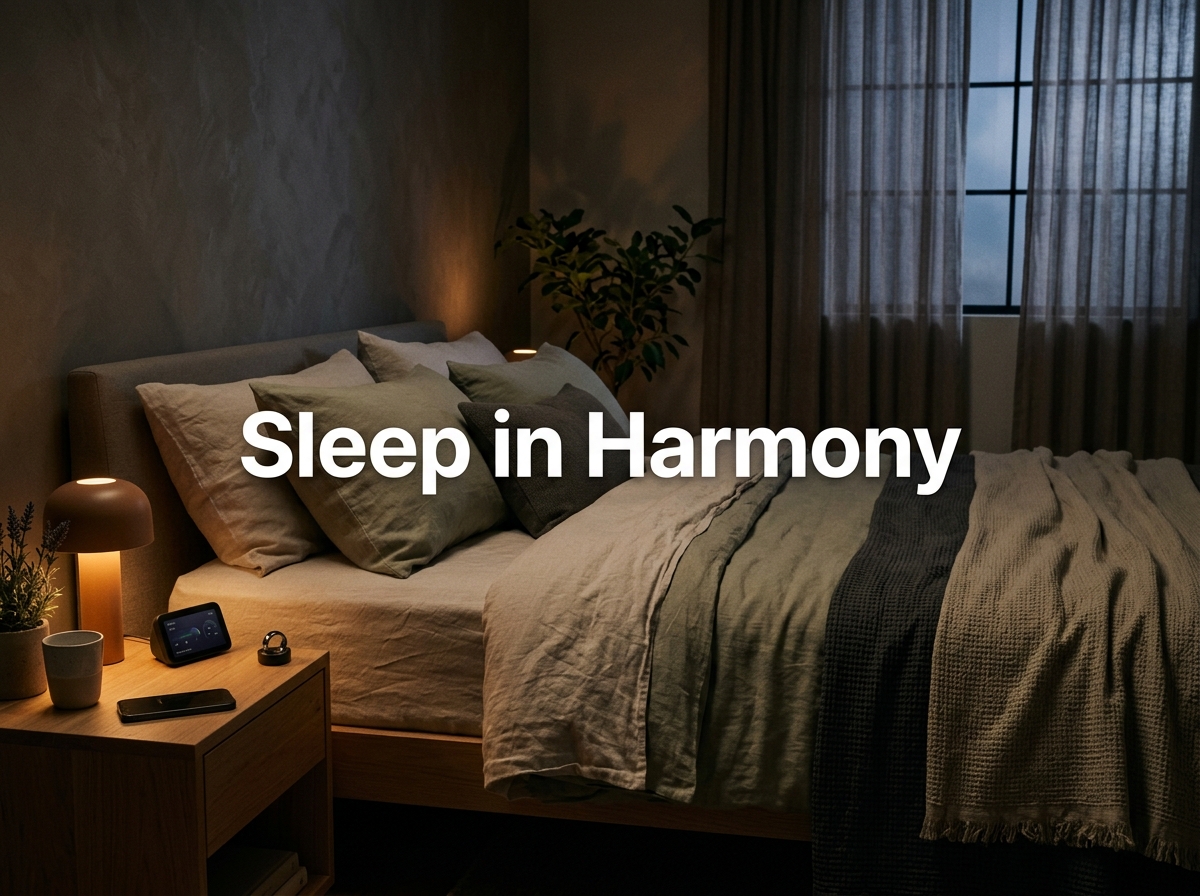
The foundation of high-quality rest lies within your sleep environment setup. A bedroom designed for deep sleep is not merely about acquiring expensive mattresses or luxury bedding; it requires a holistic approach that harmonizes temperature, light, sound, and room design. This comprehensive guide explores the science of sleep hygiene by detailing how to optimize your sleeping space for uninterrupted rest.
Beyond physical comfort, mastering these four core pillars—thermal regulation, darkness management, acoustic control, and spatial aesthetics—creates a sanctuary that signals your body it is time to recover. From selecting blackout curtains to implementing white noise machines or understanding the ideal thermal range of 65°F (18°C), every element plays a critical role in transitioning from wakefulness into deep, restorative cycles. By mastering these factors, you create an environment where sleep becomes effortless rather than a struggle.
Crafting an Aesthetic Woodworking Sleep Oasis
Transforming your bedroom into a sanctuary begins with intentional design that merges aesthetic appeal and deep restorative sleep. For woodworking enthusiasts, the bedroom is often the final workspace or a place of retreat. The key to optimizing this space lies in creating an immersive sleep environment where craftsmanship meets comfort.
A primary focus is establishing zero distractions. This involves more than just turning off electronics; it requires a holistic approach to your bedroom setup. Common mistakes include retaining sharp edges from unfinished projects or placing tools within reach, which disrupts the mind's transition into sleep. To avoid this, consider using custom-built wooden nightstands with cable management channels, ensuring wires disappear seamlessly.
Incorporating Natural Wood Elements for Serenity
Woodworking allows you to introduce textures that promote relaxation. Research shows natural materials lower stress levels faster than synthetic ones. You can build a headboard from reclaimed pine or walnut, adding a tactile layer of serene nights. Ensure the finish is matte rather than glossy; shiny surfaces reflect light and create visual noise.
Mastering Temperature Control with Wood
The temperature in your sleep environment drastically affects sleep quality. While wood has natural insulating properties, it can also trap heat if not ventilated correctly. A practical solution is to build a wooden frame around your bed and incorporate breathable fabric or bamboo slats that regulate airflow without sacrificing warmth.
Curating Light and Sound for Deep Rest
To achieve deep restorative sleep, light management is critical. Install dimmable LED strips behind your wooden headboard—this provides a soft, ambient glow that signals your brain it's time to wind down. For sound control, consider constructing a custom acoustic panel from high-density wood wool or cork, which absorbs echo and dampens street noise.
Finally, remember that the bedroom setup should be clutter-free but not starkly empty. Displaying one or two finished pieces of art can add personality without chaos. By blending woodworking skills with these functional strategies, you create a space where technology fades away and your body enters the deepest stages of sleep naturally.
Actionable Tip: Start small by building a wooden tray for your bedside items (phone, book, lamp). This keeps surfaces clear, reducing visual clutter that prevents deep restorative sleep.
Frequently Asked Questions
What is considered a good sleep environment setup?
A good sleep environment setup prioritizes darkness, silence, and a temperature between 60-67°F. It involves minimizing light pollution with blackout curtains or smart bulbs, using soundproofing like heavy rugs for noise control, and ensuring your bed frame is sturdy to reduce vibrations. Additionally, removing digital clutter from the nightstand helps signal your brain that it's time to rest.
How do I assess my current bedroom setup for better sleep?
To assess your space, perform a 24-hour observation. Track when you feel the room feels too hot or too cold, noting any sounds that wake you up, and observing light leaks around windows or doors. You can also ask yourself: 'Does my bed feel like a sanctuary?' If not, focus on fixing one element at a time, such as adding blackout shades first.
What lighting conditions are best for deep sleep?
For deep sleep, aim for total darkness. Use blackout curtains or a high-quality eye mask to block streetlights and sunrise. Smart bulbs can be set to warm, dimmable red tones in the evening (mimicking sunset) to avoid blue light suppression of melatonin. Even small gaps in curtains can disrupt circadian rhythms, so seal any leaks meticulously.
How does room temperature affect sleep quality?
- Core body temperature must drop by about 2°F for you to fall asleep deeply.
- Maintain a cool range of 65-68°F (approx. 18-20°C).
If it's too hot, use breathable bedding materials like linen or cotton. If cold, layer blankets instead of overheating the room itself.
What are the most common environmental sleep disruptors?
- Light: LED streetlights and electronics emitting blue light.
- Noise: Traffic, snoring partners, or inconsistent HVAC systems.
To fix these, install soundproof curtains, switch to amber-toned bulbs, and check your mattress for sagging that causes movement. Prioritizing a consistent environment setup reduces the need for medication interventions.
Final Thoughts
In conclusion, mastering the intersection of wood's natural properties and modern design principles allows you to craft a bedroom that isn't just visually appealing but genuinely enhances sleep quality. By selecting high-quality materials like sustainably sourced oak or walnut, maintaining precise joinery, and incorporating thoughtful lighting solutions, you create an environment that promotes relaxation and restorative rest. The durability of wood ensures your setup remains an investment piece that ages gracefully alongside your evolving lifestyle.
Remember, the ultimate goal is to harmonize functionality with aesthetics to achieve a serene sanctuary. Whether you are building custom headboards, optimizing storage for better organization, or fine-tuning lighting layers, each element contributes to a cohesive whole designed for deep, uninterrupted sleep. As you move forward from this comprehensive guide on sleep environments and bedroom setups, consider how these elements interact within your personal space.
Ready to transform your own sleeping quarters? Start by auditing your current setup against the key factors discussed—lighting, ergonomics, and material quality—and identify one immediate improvement you can make. Whether that's swapping a harsh light fixture for a warm wood-accented dimmer or planning your next custom build project, take action today to elevate your sleep hygiene. Your future self will thank you with every hour of restful sleep.
All Articles in This Pillar
- Sleep in Harmony: Transform Your Bedroom Setup for Restful Nights
- How to Achieve Zero Distractions for Deep Sleep
- Create the Ultimate Sleep Environment for Serene Nights
- Create the Ultimate Restful Bedroom: Transform Your Space for Deep Sleep
- Optimize Your Bedroom Temperature for Deep Sleep
- Transform Your Sleep Space for Deep Restorative Sleep
- Create Your Dream Bedroom Setup for Deep Sleep
- Create Your Ultimate Sleep Oasis: A Guide to Restorative Sleep
- Unlock Restful Sleep with White Noise: A Comprehensive Guide
- How to Achieve Deep Restorative Sleep: Optimize Your Bedroom